
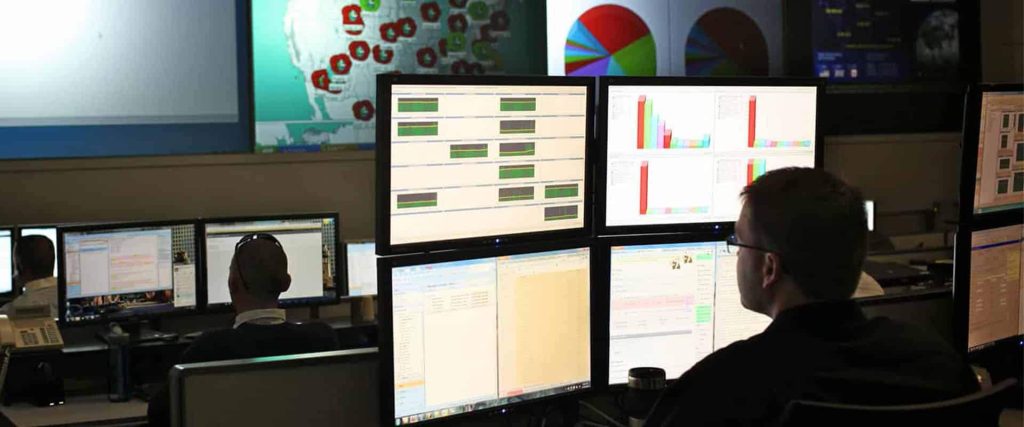
If you are weighing dispatch console options, do yourself a favor and investigate how Avtec consoles compare to other radio communication systems. The Avtec Dispatch Console platform is known for flexibility, adaptability, and a level of control that many traditional systems struggle to match. While other radio communication systems often lock users into rigid frameworks, Avtec opens the door to a far more responsive and scalable experience. In most real-world environments, especially those with mixed technologies, Avtec tends to stand out as the more future-ready choice.
This article takes a closer look at how Avtec consoles compare with other widely used radio communication systems. It breaks down what makes the platform unique, where it outperforms competing brands, and how it handles the complexity of modern communication demands. You will also see how it compares directly with several major competitors in the industry. By the end, you should have a clear sense of where Avtec fits and why it is often selected for demanding operational environments.
Before diving into side-by-side comparisons, it helps to understand what separates Avtec consoles from the pack. The differences are not always obvious at first glance, but they become significant when systems are put to work in real conditions. That is where Avtec begins to pull ahead.
What are the Competitive Advantages of Avtec Consoles?
Not every dispatch console is built with the same priorities. Some focus on proprietary ecosystems, while others attempt to bridge multiple technologies with varying levels of success. The Avtec Dispatch Console takes a different approach by prioritizing flexibility, usability, and long-term adaptability from the ground up.
Integration with a Range of Communication Systems
The most apparent feature is Avtec’s compatibility with a wide choice of communication systems. Whether you are working with P25 systems, digital mobile radio, analog channels, or cellular push-to-talk, the Avtec system integrates these elements. This means you do not have to deal with multiple systems and can operate more efficiently.
Software-Based Deployment and Scalability
Avtec is a software solution, not a hardware console. It can run on commercial off-the-shelf hardware such as desktop computers, laptops, or even tablets. This means a smaller footprint at the dispatch position and the ability to expand without investing in expensive equipment.
Designed for Reliability and Stability
Reliability is not an afterthought. Avtec systems incorporate multiple levels of redundancy and failover to ensure communications are maintained even if some components of the system fail. This is a key feature for agencies that require continuous communication.
Interface Designed Around the Dispatcher
The user interface is highly customizable. Controls, channels, and tools can be positioned to suit the dispatcher’s needs, rather than requiring the dispatcher to adapt to the system. Personalized layouts, mapping visuals, and sophisticated call-handling tools all help create a more efficient and effective working environment.
Continual Support and Development
The world of technology is ever evolving, and so is Avtec. Through regular upgrades, remote support, and security enhancements from partners such as RCS Communications, systems remain up to date and protected. This ensures the investment is maximized and performance is maintained to current standards.
These advantages carry even more weight when Avtec is compared with other well-known platforms. A direct comparison highlights where those differences become meaningful.
How Do Avtec Consoles Compare to Other Radio Communication Systems?
Choosing a dispatch console often comes down to how well it performs against competing systems in real operational scenarios. Each platform brings something to the table, but the differences tend to surface quickly once flexibility, scalability, and integration needs come into play.
Other Motorola Solutions Consoles
Motorola console systems are typically integrated within their own environment. This may be fine for agencies that only use that system. But when other technologies or systems are introduced, these consoles can become more limiting. Avtec consoles, on the other hand, are designed to work with a variety of technologies, making it more suitable for multi-vendor environments.
Zetron
Zetron systems are stable and have a long history in dispatch. However, they may not be as adaptable for quick growth or integration with multiple communication technologies. Avtec consoles can have the edge in situations where agencies want to add new technologies or grow without major upgrades.
Spillman
In practice, agencies often use Avtec and Spillman together, but when compared directly, Avtec excels in real-time voice integration and flexibility, whereas Spillman excels at workflow management rather than controlling multi-system communications.
Kenwood/EF Johnson Technologies
These technologies are more hardware-dependent. They may not be as interoperable across different systems. Avtec offers a more seamless approach, enabling other systems to communicate with little modification.
Telex
Telex consoles are durable and robust. But they may be seen as archaic in a software-driven world. In these cases, Avtec may be better suited with a more modern approach to communication.
Looking across these comparisons, a pattern starts to emerge. The more complex the communication environment becomes, the more valuable Avtec’s flexibility and software-driven design appear.
Why Do So Many Organizations Choose Avtec Consoles Over the Competition?
There is a reason Avtec Dispatch Console systems are often selected for demanding, high-stakes communication environments. The platform is built to handle complexity without becoming complicated to use. That balance is not easy to achieve, yet it is where Avtec consistently performs well.
Many organizations today operate across a mix of communication technologies. It is common to see digital radio systems working alongside analog channels, cellular push-to-talk services, and integrated telephony. Trying to manage all of that through separate systems can create inefficiencies and increase the risk of miscommunication. Avtec brings those elements together into a single, cohesive interface, allowing teams to operate with greater clarity and control.
Another driver for adopting the Avtec system is scalability. The ability to scale up without replacing the entire system is highly desirable as agencies expand or their requirements change. Avtec’s software architecture enables easy addition of new positions and features. This makes it a viable option not only for today, but also for tomorrow.
Another difference is the way the system adapts to users. Dispatchers do not have to work within a rigid set of processes. Rather, the system can be tailored to the team’s needs. This can result in quicker response times, fewer mistakes, and a more relaxed working environment in stressful situations.
The other key element is sustainability. Technology is rapidly changing, and systems that don’t adapt are likely to become obsolete. Through regular upgrades and support, Avtec stays current with today’s needs, allowing companies to avoid the “system upgrade merry-go-round”.
For agencies that need a reliable, adaptable, and forward-thinking dispatch solution, Avtec remains a strong contender. When paired with the expertise of RCS Communications, the value becomes even clearer. From initial setup to system optimization and long-term support, there is a level of guidance and reliability that helps organizations get the most out of their investment.
Rely on RCS Communications for Your Dispatch Console Needs
At RCS Communications, everything centers on two priorities: responsive, one-on-one service and results that leave clients fully confident in their systems. That approach has guided the company for more than 70 years, serving organizations across Kentucky and Indiana with a steady, hands-on presence.
Every solution is shaped around how your operation actually runs. There is no one-size-fits-all package. Instead, the engineering team works through your communication challenges, identifies what is slowing things down, and builds a system that fits the environment. From the earliest planning stages through installation and beyond, experienced technicians remain involved to ensure everything works as intended.
RCS Communications also offers advanced technologies, including MOTOTRBO and Project 25 (P25) systems. These platforms are designed to perform in tough, real-world conditions where reliability matters most. The goal is simple: give your team clearer communication, fewer interruptions, and a safer, more efficient shift. If you are ready to improve your team’s communication, RCS Communications is ready to help.
Rely on RCS!