
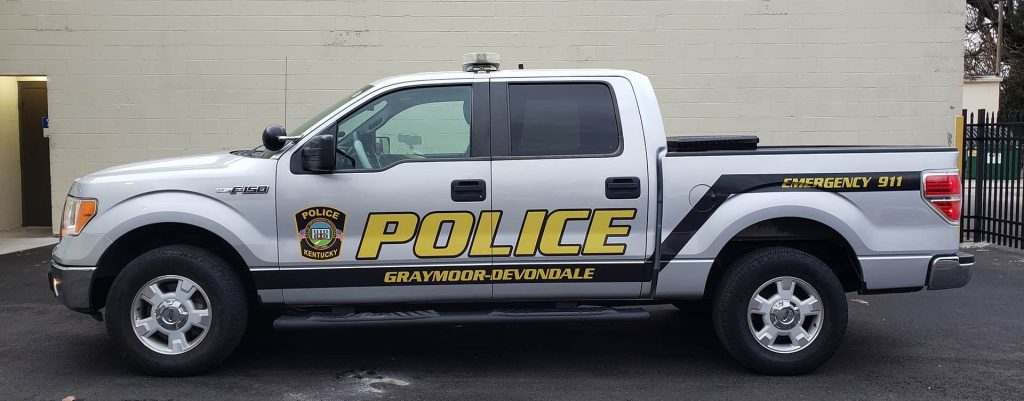
Picture this: your department’s brand-new patrol car, ambulance, or command vehicle just rolled off the lot. The dealership hands over the keys, and there it sits. Plain white, maybe black, not a siren or decal in sight. Oh, sure, a perfectly good vehicle, but not yet an emergency vehicle. It’s quiet. Blank. A shell waiting for a purpose.
That’s when RCS Communications steps in. Once their upfitting experts are finished, that plain vehicle becomes something extraordinary—a fully equipped emergency response machine, ready for duty. We’re talking lightbars, sirens, in-car radios, laptops, radar units, custom consoles, organized storage, and even clean, professional graphics. By the time RCS is done, it’s not just functional—it’s a work of art that represents your department with pride.
But what is all of this going to cost your department, and what are the factors involved in the price of emergency vehicle upfitting?
Upfitting Might Cost More Than You Think (But It’s Worth It)
At first glance, the price tag for an emergency vehicle upfitting may seem steep. Departments often budget for the vehicle itself but underestimate the cost of transforming that empty shell into a field-ready tool.
But think about it this way—your upfit is not just equipment. It’s safety, it’s efficiency, and it’s longevity built into every detail. The lights, sirens, and technology are only part of the picture. What you’re really paying for is craftsmanship and reliability – the things that will give long life to your investment.
A proper upfit means wiring that won’t short out under vibration or heat. It means equipment installed in a way that makes intuitive sense for the people who use it. Everything is within reach, securely mounted, and compliant with safety regulations. By contrast, a poor installation can lead to constant maintenance headaches, or worse, unsafe conditions for your team.
When done correctly, a high-quality upfit can last the entire lifespan of the vehicle—and sometimes beyond. Departments that choose durable components and professional installation find that their investment pays off over time through fewer repairs, less downtime, and improved reliability in the field. So, while it might feel expensive up front, you’re really purchasing peace of mind and years of dependable service.
And that brings us to the next big question: what actually drives the cost of your upfit?
Equipment Drives the Cost—But You Get What You Pay For
The single most significant factor influencing your upfitting cost is the equipment you choose. Think of it like building a house. The more features, customization, and premium materials you add, the higher the total price—but also the better the long-term value. Emergency vehicles are no different.
Some departments prefer basic setups: lights, siren, radio, maybe a simple console. Others require advanced features—integrated data terminals, radar systems, surveillance cameras, and extensive lighting packages.
Every additional piece of technology or customization adds cost in two ways: the price of the hardware itself, and the labor to install it correctly. Top-tier components might cost more upfront, but they’re built to handle constant use, extreme temperatures, and rugged conditions that cheaper brands can’t.
Simply put: you get what you pay for.
Investing in high-quality equipment not only enhances safety and performance, but it also reduces the likelihood of replacement or repair. Departments that try to cut corners often end up paying more later to fix or replace low-end gear. And the range of available options is enormous. Let’s take a look at the ones that most directly influence your final upfitting cost.
Options That Drive the Price of Emergency Vehicle Upfitting
Every emergency vehicle is built for a purpose. A fire command unit needs different tools than a police cruiser, and both differ from an ambulance. Here are some of the most common upfitting options that drive cost—and what they bring to the table.
Emergency Light Packages
From roof-mounted lightbars to grille and rear lighting, your lighting setup is one of the most noticeable and critical pieces of equipment. The cost depends on the number of lights, placement, and brightness output. LED systems are the standard now—bright, efficient, and long-lasting—but premium systems with programmable flash patterns or integrated control modules will add to the total.
Perimeter Lighting and Spotlighting Systems
Nighttime visibility is essential, especially for traffic stops or emergency scenes. Area lighting and spotlights make a big difference in safety and scene management. LED floodlights, takedown lights, and side-mounted scene lights all vary in price and performance.
Secure Interior Storage Solutions
Firearms, medical gear, rescue tools—all need to be stored securely. Custom storage compartments, drawers, or locking cabinets are often tailored to the vehicle layout. The more specialized the storage, the higher the cost, but also the greater the efficiency and safety for your team.
In-Vehicle Cameras and Recording Systems
Many agencies are moving toward in-vehicle video systems—dashcams, rear cameras, even 360° recording setups. These not only protect officers and departments but also provide vital evidence. Higher-resolution cameras, multiple recording angles, and integrated data storage will increase the overall cost.
Speed Radar Systems
For law enforcement vehicles, radar units are a must. The cost varies depending on whether you’re using a front-, rear-, or dual-antenna system, as well as whether you’re integrating with your display or laptop.
Two-Way Radios and Communication Gear
Reliable communication is the backbone of any emergency response. Radios, speaker mics, and antennas come in a wide range of models and capabilities. Digital systems with encrypted channels will cost more but provide far better clarity and security.
Laptops and Mounting Systems
Many departments are going fully digital with reports and GPS. Ruggedized laptops, tablet docks, and adjustable mounts add both convenience and expense. Mounting hardware alone can vary widely depending on the vehicle and configuration.
Consoles and Switch Panels
These might look like small details, but they’re crucial for usability. Well-designed control panels allow first responders to operate equipment safely while keeping their focus on the road. More complex wiring and integrated control systems can increase labor costs.
Each of these elements plays a role in determining the final price of emergency vehicle upfitting. Some departments opt for everything at once; others phase in upgrades over time. Either way, it’s all about aligning your needs, your budget, and your mission. And then, of course, there’s the outside of the vehicle—the first thing the public sees.
The Look: Paint, Wraps, and Decals
Once your equipment is installed, it’s time for fire and police vehicle upfitters to make your vehicle look like part of the fleet. That’s where graphics and markings come in—and they can vary as much in price as the electronics on the inside.
Some departments stick with decals only, applying vinyl lettering and department insignias over factory paint. Others go for partial or full wraps, covering the entire vehicle in custom-designed graphics. A full wrap provides maximum visibility and a clean, professional look. It also prevents decal shadows left behind after the decals are removed and the vehicle is sold. But wraps cost more and require expert installation. Paint is another option, though it’s less common these days. While it offers a deep, durable finish, it’s permanent and more challenging to remove later.
For wraps and decals, material quality matters greatly. Low-cost vinyl might look appealing at first, but it can fade, peel, or crack after a single summer in the bright sunlight. Top brands like 3M offer UV-resistant vinyl that withstands years of exposure and frequent washing. It costs more upfront but protects your investment in the long term.
In short, whether you’re wrapping, painting, or applying decals, the finish you choose reflects your department’s professionalism and durability standards.
Now, let’s talk about who can bring it all together.
Why RCS Communications Is the Name to Trust
When it comes to emergency vehicle upfitting, RCS Communications isn’t new to the game—they’ve been serving public safety organizations across Kentucky and Indiana for over 70 years. Police departments, fire stations, EMS agencies, and government fleets all rely on RCS for a reason: they do it right the first time.
Their fire, EMS, and police vehicle upfitters understand that every wire, every mount, every bolt matters. RCS doesn’t just install—they integrate. They make sure lights, radios, laptops, and cameras all work seamlessly together so your team can focus on the job, not on the equipment.
RCS is also a trusted partner for communications technology. They work with the leading names in radios, network systems, and mobile data terminals, making sure your upfit keeps your team connected when it counts. And when it comes to safety lighting and markings, RCS can handle it all—from selecting the right LED setup to applying custom vinyl graphics that stand out and last.
In the public safety world, reputation means everything. RCS has earned its reputation through reliability, precision, and deep respect for the men and women who depend on its work every day.
Whether you’re outfitting one patrol car or an entire fleet, they’ll help you design, build, and deliver vehicles that meet your exact specifications—and exceed your expectations.
And, that leads us to the final question: when you’re ready to get started, who’s going to bring your blank-slate vehicle to life?
Rely on RCS!