
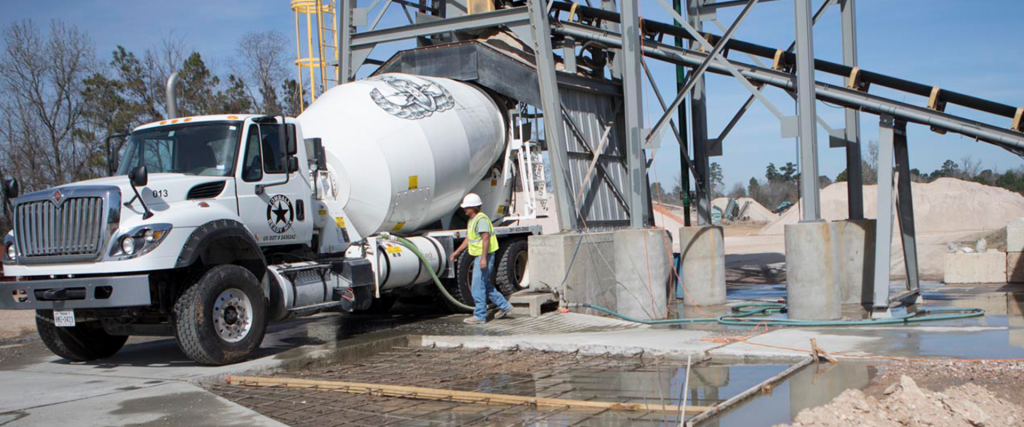
Construction crews are rough on equipment. That is simply the reality of the job. Radios get knocked off scaffolding, buried in dust, rattled around in truck cabs, and soaked during sudden changes in weather. Yet even after all of that, communication still needs to work instantly and clearly.
When radios fail in the middle of a project, the ripple effects move quickly. Foremen struggle to coordinate subcontractors, operators miss important instructions, deliveries get delayed, and safety concerns become harder to manage. Repeatedly replacing broken communication equipment also creates unnecessary expenses that many contractors grow tired of. So, that said, what are the best radios for the construction site?
Rugged Motorola two-way radios remain a trusted choice across the construction industry. Built specifically for demanding work environments, these radios are designed to withstand punishment while helping crews stay connected across busy jobsites.
So, What Are the Best Radios for Construction Sites?
Below is a closer look at several Motorola radios commonly used in construction settings and why they continue to perform well in difficult conditions.
Motorola CP100d: Practical Performance Without Overspending
Not every construction company needs the most advanced radio on the market. For many smaller crews and contractors, reliability and simplicity matter far more than flashy features. The Motorola CP100d has become a popular option because it delivers dependable communication without stretching the budget too far.
One reason contractors appreciate this model is its flexibility. The CP100d supports both analog and digital operation, allowing companies to upgrade gradually rather than replace their entire communication system all at once. Teams already using older analog radios can continue operating while preparing for a smoother transition to digital technology.
The radio itself is also built for rough handling. Its sturdy exterior helps protect it against drops, dirt, and the daily wear and tear that come with construction work. Large controls make it easier for workers wearing gloves to operate, and the straightforward layout keeps training time to a minimum for new employees.
Some key advantages include:
- Analog and digital compatibility
- Rugged design for active jobsites
- Simple controls that are easy to use
- Expandable coverage with repeater support
- Multiple configuration options available
For contractors seeking an affordable entry point into Motorola’s digital radio lineup, the CP100d remains a dependable choice.
MOTOTRBO™ R2: Built for Loud and Demanding Environments
Construction sites are rarely quiet. Between power tools, diesel engines, compressors, and heavy machinery, workers often struggle to hear basic communication clearly. The Motorola MOTOTRBO™ R2 was designed with exactly that challenge in mind.
The R2 combines durability with strong audio performance in a lightweight package that crews can comfortably carry throughout long shifts. Motorola’s Signal Intelligence and Noise Cancellation (SINC+) noise suppression technology helps reduce background noise, keeping conversations understandable even in chaotic environments.
Its IP55 rating also protects against dust and water exposure, both of which are common concerns on active jobsites. Whether crews are working through rain, concrete dust, or muddy site conditions, the R2 is engineered to continue operating reliably.
Battery performance is another area where this radio stands out. Long shifts can stretch well beyond standard work hours, especially during major commercial projects or road construction work. With battery life that lasts an entire workday and beyond, crews spend less time worrying about charging equipment mid-shift.
Why many construction companies choose the R2:
- Strong audio clarity in noisy areas
- Dust and water resistance
- Dual analog and digital functionality
- Comfortable and lightweight design
- Extended battery performance
For teams balancing durability, portability, and communication clarity, the MOTOTRBO™ R2 checks many important boxes and is one of the best radios for construction sites.
MOTOTRBO™ R7: Advanced Communication for Harsh Conditions
Some construction environments demand a higher level of protection and performance. Large industrial projects, infrastructure work, utility construction, and hazardous locations often require radios that can handle extreme conditions without compromising communication quality.
The Motorola MOTOTRBO™ R7 was engineered for those environments. This radio carries an IP68 rating, meaning it offers a high level of protection against dust and water. Mud, rain, debris, and rough handling are far less likely to interrupt operations when crews are equipped with an R7.
Audio performance is where this radio truly separates itself. Loud machinery and heavy equipment can make communication difficult, but the R7 uses advanced audio processing and noise cancellation technology (SINC+) to help messages cut through the surrounding noise more clearly. Workers can hear instructions faster and respond more confidently without constantly repeating transmissions.
The R7 also includes modern features such as Wi-Fi and Bluetooth, enabling wireless accessories and simplified software updates. Companies seeking long-term scalability often value these future-ready capabilities.
Notable features include:
- Advanced background noise suppression
- Waterproof and dust-tight construction
- Bluetooth and Wi-Fi support
- High-output speaker performance
- Optional intrinsically safe models for hazardous areas
For contractors operating in especially challenging environments, the R7 offers an additional level of durability and communication performance.
MOTOTRBO™ XPR 5350e Mobile Radio
Portable radios are essential for workers moving throughout the site, but many construction operations also rely heavily on vehicle-mounted communication systems. Supervisors, crane operators, fleet managers, and heavy equipment operators often need stronger mobile communication while remaining inside their vehicles or machinery. The MOTOTRBO™ XPR 5350e fills that role extremely well.
Designed as a mobile radio solution, the XPR 5350e delivers powerful communication coverage and expanded functionality for larger operations. When properly configured, it can support features like GPS tracking, text messaging, and Bluetooth connectivity.
The audio output is especially useful inside noisy equipment cabs where engine noise can easily overpower weaker communication systems. Many companies pair this mobile unit with handheld Motorola radios to create stronger site-wide communication between field workers and equipment operators.
Benefits of the XPR 5350e include:
- Excellent audio inside vehicles and machinery
- Expanded communication range
- Optional GPS and Bluetooth capability
- High channel capacity
- Strong integration with portable radio systems
For larger construction projects involving multiple vehicles and operators, mobile radios often become a critical part of the overall communication setup.
Why Do Rugged Radios Matter in Construction?
Basic consumer walkie-talkies are rarely built for the realities of commercial construction work. Constant vibration, debris, weather exposure, and physical impacts quickly expose the weaknesses of lower-quality equipment.
Professional-grade Motorola radios are some of the best radios for construction sites as they are designed specifically to handle those challenges. More importantly, they help crews communicate faster and more clearly during situations where timing and coordination matter most.
Reliable communication helps improve:
- Jobsite safety
- Crew coordination
- Equipment management
- Productivity
- Emergency response capability
When communication systems fail, projects become harder to manage. Rugged radios help reduce those disruptions while giving workers more confidence in the field.
Contact RCS Communications today to learn more about rugged Motorola radios built for demanding construction environments.