
Motorola P25 Public Safety Two-Way Radios
Public Safety Radios For Challenging Environments
Motorola APX™ Public Safety Two-Way Radios from RCS Communications
Protect Your Community With Advanced Motorola Radio Solutions For First Responders
When an emergency happens, you need public safety radios that can keep up with your pace. First responders need to communicate with each other efficiently, effectively, and quickly to execute directives to keep citizens safe. As first responders, you know that every second counts. Whether its time wasted waiting for instructions or simply coordinating efforts between units on scene; communications is critical to successful incident outcomes and safety.
That’s why RCS Communications trusts Motorola products like the APX P25 public safety two-way radio. APX radios offer the reliability and clarity we need when lives are at stake. The new generation of Motorola APX P25 public safety radios offer users more than just dependability and durability – they provide the freedom to communicate better during emergencies by providing superior audio quality even in high noise environments such as crowded streets or hectic fires. With an unmatched combination of voice quality, range and security, Motorola APX P25 radios are ready when you are – 24/7/365.
Learn More About Motorola APX P25 Public Safety Two-Way Radios from RCS Communications
Motorola APX P25 Portable and Mobile Radios from RCS Communications
Dependable and Rugged communications for your next incident
Every day, first responders risk their lives to protect others. The work is dangerous and unpredictable, but you don’t let that stop you from doing what’s right. In emergency situations, communication with reliable 2 way public safty radios is critical. If you can’t communicate effectively with your team, you take the chance of putting lives at risk.
The Motorola Solutions APX P25 portable and mobile public safety radios are the perfect solution for any agency looking to take communication systems to the next level. These radios have been designed with an intuitive interface and advanced features that allow teams to operate more efficiently than ever before. These radios come equipped with all-band capability which allows them to connect across multiple agencies, as well as integrated Wi-Fi technology for faster wireless updates and an adaptive audio engine that provides connection in any environment. They also feature a durable and compact design making it easy to handle without having any complex operating controls or buttons getting in your way. With these P25 public safety radios on hand, your team will be able to work together like never before.
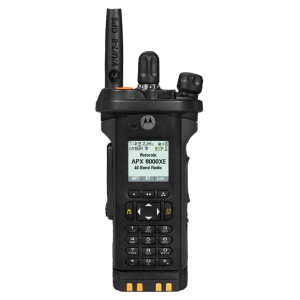
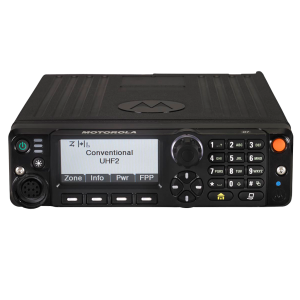
Motorola APX P25 Public Safety Radio Accessories from RCS Communications
Designed To Keep You Connected In The Field
As a public safety professional, you know how important it is to have reliable radio communication. You might also be aware that radio accessories help improve safety and increase efficiency when using your radios. From long lasting batteries to wireless headsets, Motorola understands the demanding conditions you work in.
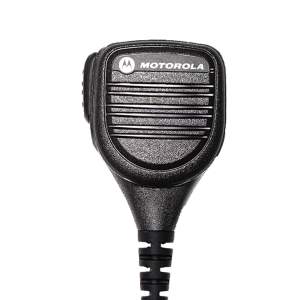
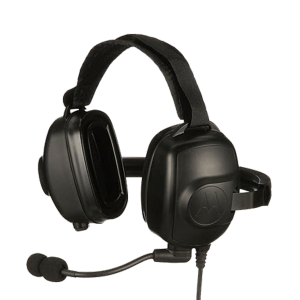
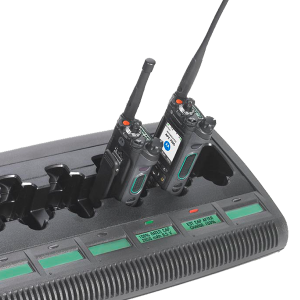
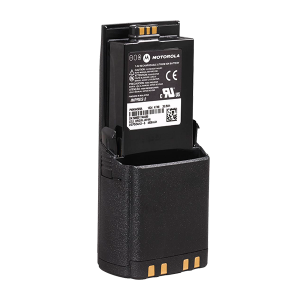
RCS Communications offers a variety of Motorola P25 radio accessories such as earpieces, headsets, speaker microphones, batteries, and multi-unit chargers. With Motorola radio accessories for your P25 radios, you will benefit from crystal clear communications and batteries that will last for a whole incident. Motorola also invests in new technologies like Bluetooth audio accessories and IMPRES smart accessories for flexibility and functionality in stressful conditions that first responders face daily.
Public Safety Two-Way Radio Accessories from RCS Communications
Frequently Asked Questions
Quick answers about how P25 systems support public safety teams
Phase 1 P25 uses FDMA (one user per channel) in 12.5 kHz channels, while Phase 2 introduces TDMA (two time slots per 12.5 kHz channel) to double the voice capacity per channel. Phase 2 offers better spectral efficiency — more users can communicate without needing more frequencies — and is often a key consideration for agencies facing spectrum constraints or planning growth. Also, Phase 2 systems are backwards compatible so you can gradually migrate from Phase 1 without replacing everything at once.